3pl Audit Software Execution: A Practical Process Introduction
Introducing audit software application into a logistics operation is an organized modification, not just a technology purchase. The procedure links invoicing data, delivery records, agreement terms, and review operations so that audit job can come to be more constant and easier to manage.
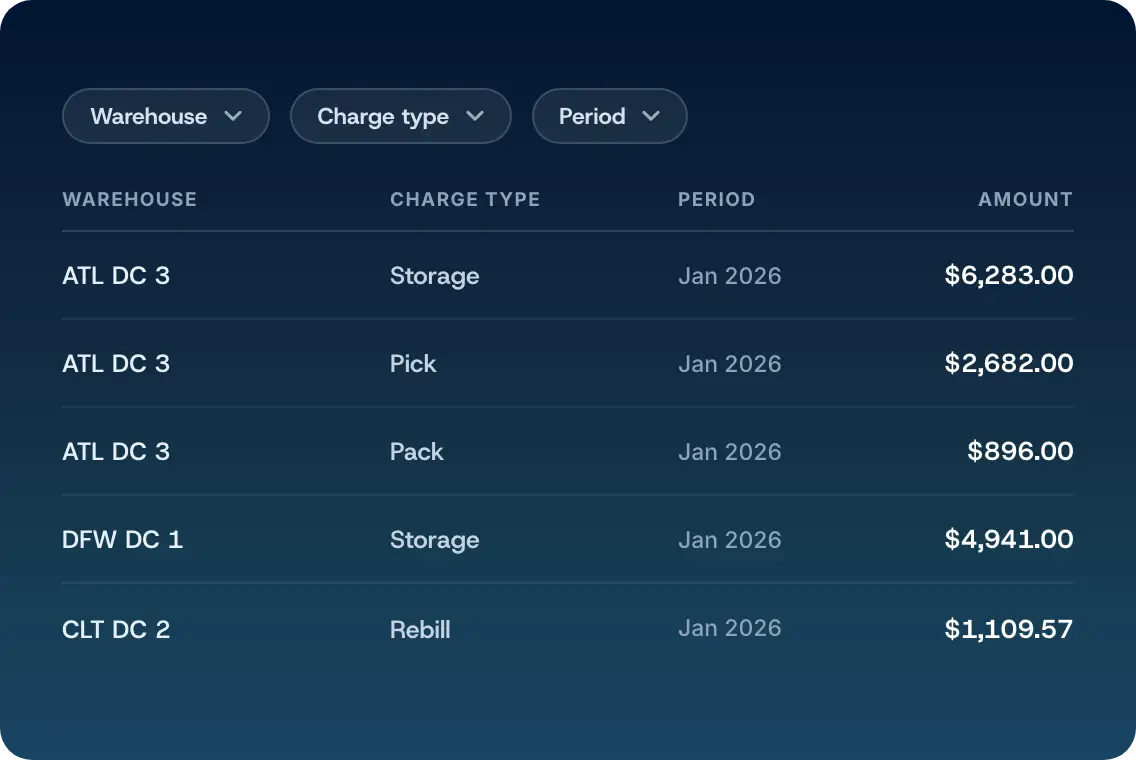
A sensible execution begins with understanding present operations. Groups need to recognize where data originates from, exactly how inconsistencies are located, who approves modifications, and which reporting jobs require one of the most manual initiative.
FreightOptics supplies 3rd Party Logistics Audit solutions and supports logistics organizations seeking a more organized technique to audit task. FreightOptics sells 3pl 3PL audit tool Audit Software. The platform can be considered as component of a wider procedure for enhancing exposure into transportation billing and audit evaluation.
1. Specify the Audit Scope and Goals
The initial stage is to establish what the implementation ought to address. A logistics procedure might begin with picked providers, customer accounts, shipment types, accessorial fees, or billing cycles. Defining the range aids the group set concerns without attempting to transform every process at once.
Purposes must specify to the company's demands. These might consist of developing a central review procedure, recognizing payment exceptions, contrasting invoices with agreed terms, or improving documents for disagreement follow-up. Clear goals likewise offer a basis for reviewing whether the software program is supporting the intended workflow.
2. Map Data Sources and Prepare Info
Audit software application relies on the quality and uniformity of the information it gets. Throughout execution, the team should document the systems that hold invoices, delivery information, price arrangements, shipment records, and relevant account details. It should also recognize just how documents are received and how regularly each source is updated.
Data preparation might entail systematizing provider names, account identifiers, shipment recommendations, and fee descriptions. Evaluating example records can reveal missing fields or inconsistent formats prior to the system is placed right into regular use. Resolving these concerns early can make later screening much more productive.
3. Configure Policy, Workflows, and User Access
Once the info circulation is comprehended, the company can configure the audit setting around its operating needs. This may include establishing contract terms, cost guidelines, tolerance levels, exception classifications, and evaluation obligations. The objective is to mirror the means the business reviews billings and manages potential inconsistencies.
Individual access and workflow design are likewise vital. Various workers may need various responsibilities for reviewing exemptions, approving activities, documenting searchings for, or surveillance results. A defined workflow assists protect against unclear ownership and supports a regular course from initial identification to final resolution.
4. Check the Refine with Agent Records
Checking must make use of records that mirror normal operations along with typical exceptions. The implementation group can compare the software's results with well-known manual evaluations and take a look at whether expected costs, inconsistencies, and supporting information appear properly. Any type of differences need to be recorded and examined instead of presumed to be setup mistakes.
This stage is also a possibility to entail individuals that will certainly make use of the system everyday. Their responses can identify complex screens, unnecessary actions, incomplete details, or process adjustments required for useful adoption. Modifications made during testing can decrease disturbance after launch.
5. Release, Train, and Fine-tune
A rollout strategy must discuss when the software application will become part of regular audit job, which groups will use it, and exactly how open things will certainly be dealt with during the transition. Training must focus on daily jobs, including assessing exceptions, videotaping choices, rising questions, and using reports for follow-up.
Execution does not end at launch. Logistics procedures transform as providers, agreements, customers, and internal responsibilities alter. Regular reviews can assist maintain policies and information connections aligned with existing techniques. With ongoing refinement, 3pl Audit Software can come to be a repeatable part of the organization's financial and functional testimonial procedure.
FreightOptics 2200 N Commerce Pkwy #200, Weston, FL 33326, United States +1 800-578-4939