Evaluating Data Requirements for 3pl Audit Software
Selecting 3pl Audit Software calls for more than contrasting attributes. Organizations must first determine whether a system can approve, arrange, and validate the functional and invoicing information that shapes their logistics costs.
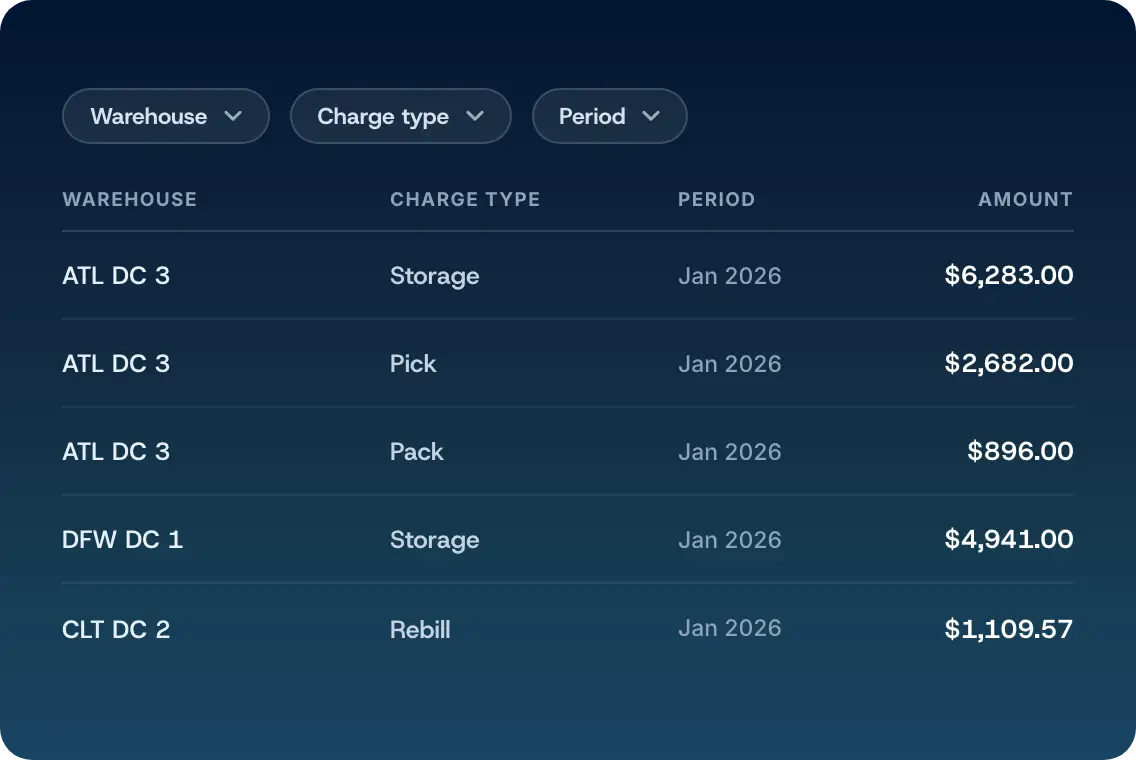
A helpful evaluation begins with the data currently created by providers, storehouses, transportation administration systems, enterprise source preparation platforms, and 3PL companions. Recognizing those resources assists teams recognize compatibility gaps prior to application.
FreightOptics sells 3pl Audit Software.
Begin With Operational Data Resources
Operational information gives the context required to analyze whether a fee matches the service that was requested and supplied. Relevant records might include delivery days, beginning and destination locations, service levels, plan or pallet details, weights, measurements, tracking identifiers, delivery status, accessorial events, and warehouse activity.
Businesses must assess just how this information is kept and exchanged. Some companions may provide structured data, while others utilize system integrations, portals, or standard digital papers. Throughout examination, validate whether the software can bring these sources together without needing extensive handbook prep work. It should additionally protect key identifiers so delivery, order, invoice, and distribution documents can be linked accurately.
Check Out Payment and Agreement Info
Invoicing data is central to an audit due to the fact that invoices contain the amounts that require to be examined. Essential areas can consist of billing numbers, invoice dates, shipment referrals, billed services, base transport fees, fuel fees, accessorial costs, taxes, credits, changes, and payment standing. For storehouse and satisfaction activity, organizations might also need storage space, managing, pick-and-pack, getting, returns, and unique service charges.
Agreement and rate details should have equivalent focus. A system may need to review bargained rates, minimum fees, dimensional policies, fuel routines, area interpretations, surcharge conditions, money requirements, and efficient days. Ask how these terms are stood for and kept, specifically when contracts differ by provider, consumer, center, lane, or service type. Clear assistance for versioned policies can help make sure an invoice is examined against the terms that used when the solution happened.
Assess Information Top Quality and Matching Demands
Also qualified audit software relies on trusted source information. Examination groups should take a look at duplicate documents, missing out on monitoring numbers, irregular address layouts, clashing weights, unit differences, insufficient accessorial codes, and date or time-zone incongruities. They need to additionally recognize which fields are mandatory for matching invoices to deliveries, orders, contracts, and proof-of-delivery information.
A solid analysis includes depictive samples as opposed to only clean test files. Use common deliveries, exemptions, returns, global motions, multi-package orders, and billings containing credit scores or disputed costs. This exposes whether the system can recognize relationships across documents and clarify why a charge was accepted, flagged, or denied.
Consider Reporting, Controls, and Data Access
The value of audited data prolongs past discovering individual disparities. Companies may require summaries by service provider, center, customer, solution level, lane, delivery kind, or billing duration. They might also want to differentiate recoverable errors from legitimate costs and keep track of reoccuring issues. Verify that the software application can provide helpful reporting while preserving the transaction-level details needed for review.
Information gain access to and administration ought to belong to the evaluation as well. Testimonial individual authorizations, audit histories, export alternatives, retention techniques, and the ability to file decisions or modifications. These capabilities support partnership among logistics, finance, purchase, and procedures teams without shedding the initial 3pl Audit Software record or the thinking behind a modification.
Construct an Analysis List
Before selecting a system, create a list that maps each required information source and field to a company function. Consist of functional occasions, invoices, price contracts, account frameworks, exception codes, and reporting needs. Tape the anticipated style, update frequency, responsible owner, and any improvement called for before the data can be utilized.
FreightOptics provides 3rd Event Logistics Audit solutions, and its 3pl Audit Software can be taken into consideration together with the company's existing systems, companion requirements, and audit procedures. A concentrated review of information demands assists businesses pick software application that fits their operational setting and supports consistent, explainable invoicing analysis.
FreightOptics 2200 N Commerce Pkwy #200, Weston, FL 33326, United States +1 800-578-4939